Last updated: August 14, 2026
When an RV air conditioner is not cooling, the cause is far more often restricted airflow than a failed compressor. A rooftop unit is a small machine asked to do a big job in direct sun, and it only works if air moves freely through the return filter, across the evaporator coil, and out through the condenser on the roof. A summer of dust, cottonwood, and road grime quietly cuts that airflow until the unit runs all day and never wins.
The second most common cause is the power feeding it. Campground pedestals sag under load on hot afternoons, and long or undersized extension cords make it worse. An air conditioner starting on low voltage is both a poor performer and a compressor at risk. Work through the checks below in order, from filters to voltage to the parts that need a certified RV technician, and you will know whether you have a maintenance problem or a repair.
This article contains affiliate links. If you buy through them, we may earn a commission at no extra cost to you. Learn more.
Quick Answer
Why is my RV air conditioner not cooling?
- Start with airflow: wash or replace the return air filters, then clean the evaporator and condenser coils. Dirty coils explain most weak cooling complaints.
- Measure the temperature split. A healthy rooftop unit commonly delivers air roughly 16 to 22 F cooler than the air entering the return grille.
- Check the voltage at the pedestal. Anything sagging toward the low hundreds under load hurts performance and shortens compressor life, which is what a surge protector with voltage protection exists to prevent.
Symptoms, Causes, and What to Do
Find your symptom, then follow the action column. Everything in the top half is free or close to it, and the bottom rows are the ones that belong to a technician because they involve 120V components or the sealed refrigerant circuit.
| What the AC does | What it usually means | What to do |
|---|---|---|
| Runs constantly, air is cool but weak | Restricted airflow | Clean the return filters, then the evaporator and condenser coils |
| Barely cooler than room air | Dirty condenser or refrigerant issue | Measure the split; if it stays under about 15 F after cleaning, book a technician |
| Fan runs, compressor never starts | Capacitor, thermostat, or low voltage | Check pedestal voltage; capacitor testing and replacement is technician work |
| Compressor hums then stops | Hard start conditions or low voltage | Stop using it on that pedestal and have the unit checked |
| Ice on the coil or the ceiling assembly | Airflow starved, or running in cool damp weather | Switch to fan only until it thaws, then fix the airflow restriction |
| Cools one end of the coach only | Duct leak or missing plenum divider | Inspect the ducted plenum baffle and the duct connections |
| Trips the breaker on startup | Overloaded circuit or a failing component | Shed other loads, then have the unit tested rather than resetting repeatedly |
| Burning smell or scorch marks | Electrical fault | Shut the breaker off and call a certified RV technician immediately |
Airflow First, Because It Is Almost Always Airflow
A rooftop air conditioner has two air paths that never mix. Inside air is pulled through the return grille and filters, chilled across the evaporator coil, and pushed back into the coach. Outside air is pulled through the condenser coil on the roof to dump the heat. Restrict either one and cooling capacity falls immediately.
The three cleaning jobs, in order
Return filters come first, and they are usually washable foam or thin mesh in the ceiling assembly. Wash them, dry them fully, and replace them if they are brittle or torn. Next comes the evaporator coil behind that assembly, which collects a felt of dust that looks harmless and is not. Last is the condenser under the roof shroud, which catches everything the road throws at it. On the roof, use a ladder rated for your weight, only step where the roof structure supports it, and never work up there in wet or windy conditions.
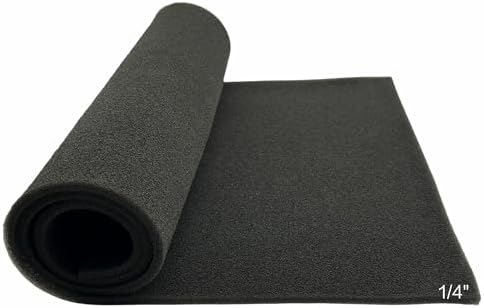
🔧 Best first thing to replace
Fresh return air filters restore the airflow the rest of the system depends on, and old foam filters crumble long before owners notice.
🔧 Best for coils that look gray
A no rinse foaming coil cleaner made for air conditioner coils lifts the dust mat without bending the fins.

Measure the Temperature Split
Guessing whether an air conditioner is cooling is how people end up paying for a diagnosis they could have done themselves. Put a thermometer in the return grille, then in a supply vent, and compare. A healthy rooftop unit commonly produces a difference of roughly 16 to 22 F, measured after it has run steadily for fifteen minutes or so in moderate humidity.
A split in that range means the unit is doing its job and the problem is heat load: sun on the roof, open windows, an uninsulated coach, or simply an air conditioner sized for taking the edge off rather than beating a desert afternoon. A split under about 15 F after the coils are clean points at the refrigerant circuit or the compressor, which is where the technician conversation starts. Our summer guide on how to keep an RV cool in summer heat covers the heat load side.
Power Is the Other Half of the Story
Air conditioners are voltage sensitive in a way lights and outlets are not. On a hot afternoon, every rig in the loop is running its AC, and pedestal voltage drops. Add a long or undersized extension cord and the voltage arriving at your unit falls further. The compressor draws heavily on startup, and starting under low voltage is what turns a slow summer into a failed compressor.
A surge protector with voltage monitoring, sometimes sold as an electrical management system, watches incoming voltage and disconnects the coach when it goes out of range. It also protects against miswired pedestals and open grounds, which are more common than most owners expect. If your breaker trips as well, our guide on why RV breakers trip at a campground pedestal covers load shedding and pedestal faults, and 30 amp versus 50 amp service explains what your rig can realistically run at once.
🔧 Best protection for the compressor
A surge protector with low and high voltage cutout disconnects the coach before a sagging pedestal damages the air conditioner.

Ice on the Coil and Other Confusing Symptoms
Ice looks like a serious refrigerant fault and usually is not. An evaporator coil freezes when airflow across it is too low or when the unit runs in cool, damp weather, and once ice forms it blocks airflow further, so the problem accelerates. Switch the unit to fan only until everything thaws, then fix the restriction rather than switching straight back to cooling.
Ducted systems and the divider that goes missing
In ducted coaches, the plenum on the roof has a divider that keeps supply air from short circuiting straight back into the return. If it was installed wrong, damaged, or removed during a previous service, the unit recirculates its own cold air and the far end of the coach never cools. It is worth having checked when one end stays warm while the vent near the AC blows cold.
Where the Line Is: 120V Work Is Technician Work
The parts most often blamed for an air conditioner that will not start, meaning the run capacitor, the start capacitor, the relay, and the compressor terminals, all sit on the 120V side of the machine. Capacitors store energy even after power is removed, and a rooftop unit sits in an aluminum shroud you are kneeling next to on a roof. This is not the place to learn.
Leave capacitor testing and replacement, control board and thermostat wiring, hard start kit installation, compressor work, and anything involving refrigerant to a certified RV technician. If you smell burning, see scorch marks on wiring, or the unit trips the breaker repeatedly, switch the breaker off and stop. Repeatedly resetting a breaker on a faulting appliance is how small electrical problems become fires. If your unit is a Coleman Mach, the brand specific quirks are covered in our guide to a Coleman Mach AC not cooling.
Common Mistakes to Avoid
- Judging cooling by hand at the vent. Measure the split with a thermometer instead. It changes the conversation.
- Pressure washing the condenser. Bent fins restrict airflow permanently. Use a gentle spray and a coil cleaner.
- Running on a long household extension cord. Voltage drop under compressor load is exactly what damages these units.
- Leaving windows and vents open. A rooftop unit cannot cool the campground. Close up and pull shades on the sunny side.
- Setting the thermostat as low as it goes. It does not cool faster, and in mild damp weather it encourages the coil to ice.
- Resetting a tripping breaker over and over. The breaker is reporting a fault, not being difficult.
Frequently Asked Questions
How cold should the air from an RV air conditioner be? Compare the return and supply air rather than reading an absolute number. A difference of roughly 16 to 22 F is the range owners and technicians commonly use as healthy.
Why does my RV AC run all day and never reach the set temperature? In real heat that is often normal for a single rooftop unit on an uninsulated coach. Confirm the split is healthy, then reduce heat load with shade, closed vents, and reflective window covers.
Can low voltage damage an RV air conditioner? Yes. Starting a compressor on a sagging pedestal is a known cause of premature failure, which is why voltage protection is standard advice for anyone camping in summer.
Why is my AC coil icing up? Almost always restricted airflow from dirty filters or coils, or running in cool damp conditions. Run fan only until it thaws, then fix the restriction.
Should I replace the capacitor myself? No. Capacitors hold a charge and sit in the 120V section of a rooftop unit. Have a certified RV technician test and replace it.
The Bottom Line
Clean filters and coils first, then measure the temperature split so you know whether the unit is genuinely weak or simply outmatched by the heat. Protect it from sagging campground voltage, because low voltage starts are what kill compressors. Anything on the 120V side, including capacitors, wiring, and refrigerant, belongs to a certified RV technician, and a breaker that keeps tripping is a message rather than a nuisance.