Last updated: August 14, 2026
When an RV furnace is not working, the most common cause is not the furnace at all. It is house battery voltage. These forced air propane furnaces will not open the gas valve until the blower has spun up to speed and proved it, and a battery that has been sitting for a week does not have the muscle for that even though your lights still look fine. The second most common cause is propane that never reaches the burner, usually because a tank ran out, a fresh fill left air in the line, or the regulator has not been reset.
Between those two, plus a thermostat with tired batteries and a nest in the exhaust vent, you cover most cold nights. What follows is the diagnosis in the order a technician works it, from the checks that cost nothing to the point where the job hands over. That handover is not optional here: an RV furnace burns propane inside your living space, and the components that manage combustion are not owner serviceable.
This article contains affiliate links. If you buy through them, we may earn a commission at no extra cost to you. Learn more.
Quick Answer
Why is my RV furnace not working?
- Check 12V first. The blower has to reach full speed before the gas valve opens, and furnaces commonly refuse to run once battery voltage sags toward the low tens.
- Then check propane: tank valve open, gas actually in the tank, and air purged from the line by lighting a stove burner after a refill.
- Anything past that, meaning the gas valve, burner, orifice, sail switch, limit switch, or exhaust, is work for a certified RV technician. Never bypass a safety switch, and keep a current carbon monoxide alarm on board.
Symptoms, Causes, and What to Do
Find the behavior that matches yours. The rows are ordered so the free checks come first, and the last rows are the ones that end in a service appointment rather than a fix.
| What the furnace does | What it usually means | What to do |
|---|---|---|
| Nothing at all, no blower | No 12V, blown fuse, or thermostat not calling | Check the furnace fuse, house battery voltage, and the thermostat batteries and mode |
| Blower runs, never lights | No propane, air in the line, or an ignition fault | Confirm gas at a stove burner; if gas is present, book a technician |
| Lights, then shuts off after a minute or two | A safety switch is opening on airflow or heat | Clear return air vents and open registers, then have the switches tested |
| Cycles on and off rapidly | Restricted airflow or low voltage | Open more floor registers, check ducts, measure voltage while the blower runs |
| Runs but the air is barely warm | Ducting losses or partial blockage | Inspect duct connections under the coach and clear return air paths |
| Blower runs continuously, no heat | Ignition lockout or gas supply fault | Reset once at the thermostat; if it repeats, stop and call a technician |
| Soot marks, odd smell, or sooty exhaust | Combustion problem | Shut the furnace off, ventilate, leave it off, and call a certified RV technician |
| Smell of gas anywhere | Possible propane leak | Close the tank valve, no flames or switches, ventilate, leave the RV, then call for service |
How an RV Furnace Decides to Light
Understanding the sequence explains almost every symptom in the table. The thermostat calls for heat, the control board starts the blower, and a sail switch inside the housing only closes once airflow is strong enough. Then the board runs its ignition sequence and opens the gas valve. A limit switch watches temperature the whole time and cuts the gas if the furnace overheats.
Why the order matters
Every one of those steps is a place to stop. A weak battery means the blower never satisfies the sail switch, so you hear air but never a flame. Blocked registers mean heat builds in the housing and the limit switch opens, giving you a furnace that lights and quits a minute later. Neither is a broken furnace, and neither is fixed by replacing parts.
Start With 12V Power
An RV furnace is a heavy 12V load because of that blower motor, and it is the appliance that exposes a tired battery first. A healthy 12V battery at rest usually reads around 12.6 to 12.8 volts, and furnaces commonly become unreliable once voltage under load drops toward the low tens. Plugged into shore power, a converter that is not charging produces the same result, since the battery is doing the work either way.
Measure at the battery with the blower running rather than at rest, then check the furnace fuse and the thermostat batteries. Corroded terminals and loose ground straps cause enough voltage drop on their own to stop a furnace, so clean and tighten before buying anything. If the bank never recovers on shore power, read our guide to an RV converter not charging the battery. Working on the 12V side is fine with normal precautions, meaning pull the fuse and switch the battery disconnect off before touching connections.
🔧 Best tool for this diagnosis
A basic digital multimeter answers the voltage question in seconds and pays for itself the first time it saves a service call.

Then Check the Propane Side, Carefully
There is exactly one propane check that belongs to you, and it is confirming that gas is available. Open the tank valve slowly and fully, verify the tank is not empty, and light a stove burner. If the burner lights and holds a steady flame, propane is reaching the coach and the furnace fault is elsewhere. If the burner sputters or will not light after a refill, air in the line is likely, and running the stove burner for a minute is the normal way that clears.
Regulators also matter. A two stage regulator with an automatic changeover can be sitting on an empty tank while a full one waits beside it, and some regulators need a moment to reset after a fill. Beyond opening valves and lighting a burner, stop. Do not adjust the regulator, tighten fittings, clean an orifice, or touch the gas valve on the furnace. That work belongs to a certified RV technician, and the consequences of getting it wrong are not the kind you fix later.
Airflow, Nests, and the Switches That Protect You
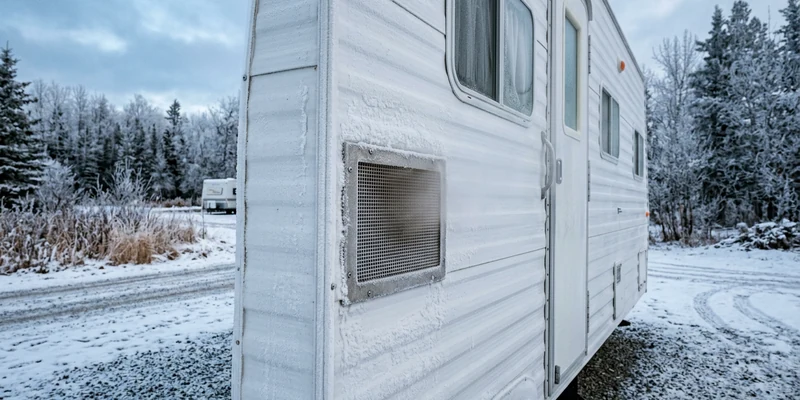
An RV furnace breathes through a sidewall vent that houses both the combustion air intake and the exhaust. Mud daubers and wasps love it. A partially blocked vent starves combustion and can push exhaust where it does not belong, which is why technicians check it before anything electrical when a furnace lights and then quits.
Inside the coach, the return air path and the floor registers matter just as much. Closing too many registers to force heat into one room raises housing temperature until the limit switch opens, and rugs over return grilles or disconnected ducts under the floor do the same thing. Clear all of it, then look at the exterior vent from outside.
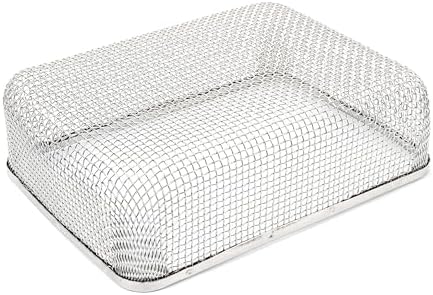
🔧 Best preventive part after a service
A furnace vent insect screen stops the nests that cause most seasonal no-heat calls, without restricting the vent.
One rule with no exceptions: never bypass, jumper, or tape a sail switch or a limit switch to make a furnace run. Those switches exist to stop combustion when airflow or temperature is wrong. Defeating them turns an inconvenient night into a fire and carbon monoxide risk.
Carbon Monoxide Is the Part Nobody Skips
An RV furnace burns propane a few feet from where you sleep, and its exhaust is meant to leave through the sidewall vent. Anything that disturbs that path, a nest, a damaged exhaust tube, a cracked chamber, or improper combustion, can put carbon monoxide inside the coach. It has no smell and the early symptoms are easy to mistake for tiredness.
Every RV with a furnace, cooktop, propane fridge, generator, or diesel heater needs a working carbon monoxide alarm, and these alarms expire. Check the manufacture or expiration date printed on the back, because a unit that still chirps on test can be years past its rated sensor life. Combination propane and carbon monoxide alarms designed for 12V RV wiring cover both risks in one place, and battery powered versions work for coaches without a dedicated circuit.
🔧 Non negotiable safety gear
A combination carbon monoxide and propane alarm made for RVs covers both hazards, and replacing an expired one takes minutes.

When to Stop and Call a Certified RV Technician
Call rather than continue if the furnace has gas and 12V but will not light, if it lights and locks out repeatedly, if you see soot or smell exhaust, or if the blower makes a grinding or squealing noise. Also call if the unit is old enough that you do not know its service history, since a combustion chamber inspection is cheap compared with the alternative.
Do not attempt gas valve replacement, burner or orifice cleaning, exhaust tube repair, or control board swaps on a furnace. If the coach is cold and service is days away, an electric space heater on shore power is the safe bridge, or a properly installed and externally vented diesel heater, which our explainer on how a diesel heater works covers along with its own ventilation rules. Never heat an RV with a stove burner or an unvented flame.
Common Mistakes to Avoid
- Blaming the furnace before checking the battery. Lights and the water pump run happily at voltages a furnace blower will not accept.
- Closing registers to force heat somewhere. That is the fastest way to trip the limit switch and get short cycling.
- Repeated resets after a lockout. Two attempts is plenty. Repeated cycling with a fault present is not harmless.
- Sealing or covering the exterior vent in winter. The furnace needs that opening for combustion air and exhaust.
- Using an old carbon monoxide alarm. Sensors expire. Read the date on the back rather than trusting the test button.
- Heating with the stove. It is unvented combustion in a small space, and it is how carbon monoxide incidents start.
Frequently Asked Questions
Why does my RV furnace blow cold air? The blower is running but the burner never lit, usually because of low battery voltage, no propane at the burner, or a safety switch that has not closed. If gas and voltage are both fine, it needs a technician.
Can I run the furnace without shore power? Yes, it runs from the house batteries, but the blower is a real load. Many owners find a furnace is the appliance that decides how big their battery bank needs to be.
What voltage does an RV furnace need? Manufacturers specify a range rather than a single number, and in practice furnaces get unreliable as voltage under load falls toward the low tens. Measure while the blower runs, not at rest.
Is it safe to keep resetting a furnace that locks out? No. One or two attempts is reasonable. A repeating lockout means a real fault, and continuing to cycle it risks unburned propane and combustion problems.
Do I need a carbon monoxide alarm if I only use the furnace occasionally? Yes. Any combustion appliance in an enclosed living space calls for a working alarm with an unexpired sensor, regardless of how often you use it.
The Bottom Line
Most no heat calls come down to battery voltage, propane availability, or airflow, and all three are free to check. Confirm 12V under load, confirm gas at a stove burner, then clear the vents, registers, and return air paths. Everything past that point, meaning the gas valve, burner, exhaust, and the sail and limit switches, is certified RV technician work, and a current carbon monoxide alarm is mandatory equipment in any coach that burns fuel.