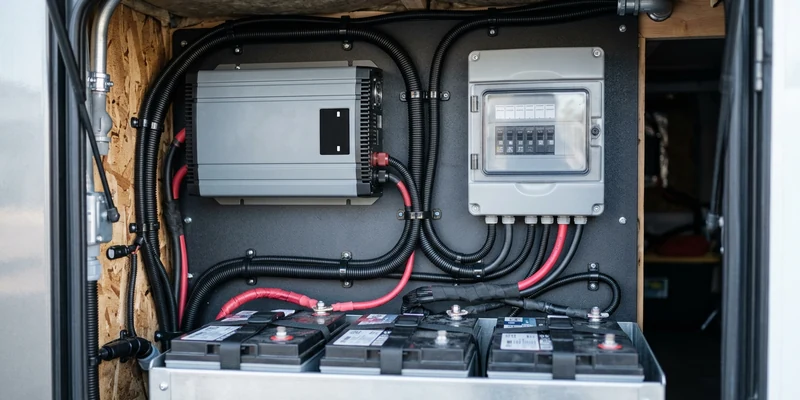
Last updated: August 14, 2026
Choosing the best RV inverter is really two decisions wearing one label. The first is how much power you need at once, which sets the wattage. The second is what kind of power, because a cheap inverter and a good one produce very different waveforms, and some of the things in a modern RV are fussy about the difference. Get those two right and the rest of the category sorts itself out quickly.
What follows is a practical sort of the field: how the sizes map to real appliances, why pure sine wave has become the default answer, when an inverter charger with a built in transfer switch is worth the extra complexity, and where the install stops being an owner job. The picks are widely available units matched to specific situations rather than a single winner for everyone, because a van running a laptop and a fifth wheel running a residential fridge are not shopping in the same aisle.
This article contains affiliate links. If you buy through them, we may earn a commission at no extra cost to you. Learn more.
Quick Answer
Which RV inverter should you buy?
- For most trailers and motorhomes, a 2000 watt pure sine wave inverter is the sweet spot: enough for a microwave or a coffee maker, still reasonable on cable size and battery draw.
- Buy pure sine wave, not modified sine. Anything with a motor, a compressor, or sensitive electronics behaves better, and the price gap has largely closed.
- Size the battery bank alongside the inverter. A 2000 watt load pulls roughly 170 to 200 amps from a 12 volt bank, which is a lot to ask of a single lead acid battery.
What Separates a Good RV Inverter From a Frustrating One
Six specifications decide whether an inverter suits your rig, and brand recognition is not among them. Work down this list and the shortlist writes itself.
| What to check | Why it matters | What to look for |
|---|---|---|
| Waveform | Motors, compressors, and electronics run hot or buzz on modified sine | Pure sine wave, stated plainly on the spec sheet |
| Continuous watts | This is the load it can hold indefinitely, not the number on the box lid | Match to your largest realistic simultaneous load, with headroom |
| Surge rating | Compressors and pumps draw a multiple of their running watts at startup | Roughly double the continuous rating for a few seconds |
| Input voltage | Determines cable size and current draw | 12V for most RVs; 24V or 48V systems move less current for the same power |
| Idle or no load draw | An inverter left on all week quietly empties the bank | A low standby figure, plus a remote switch or power save mode |
| Transfer switch built in | Decides whether shore power and inverter power swap automatically | An inverter charger if you want hands off switching, a plain inverter if not |
If the terms in that table are new, our explainer on what an RV inverter actually does covers the basics, and inverter vs converter settles the single most common mix up in RV electrical.
Pure Sine or Modified Sine?
Pure sine wave inverters reproduce the smooth waveform that shore power delivers. Modified sine inverters approximate it with a stepped square wave, which is cheaper to build and perfectly adequate for a resistive load like an incandescent bulb or a simple heating element. Everything else is where the trouble starts.
Owners consistently report the same symptoms on modified sine: microwave turntables and fans that sound wrong, residential refrigerator compressors that run hotter, chargers and laptop bricks that buzz, and CPAP machines or medical devices that refuse to run at all. Some devices with electronic speed control simply will not operate. Given how much of a modern RV runs on electronics, pure sine is the sensible default now, and the modified sine option only makes sense for a small dedicated inverter feeding a single simple load.
Sizing: What Each Wattage Class Actually Runs
Inverter shopping goes wrong when people size for everything at once. You will rarely run the microwave, the coffee maker, and the hair dryer at the same moment, so size for the largest single load plus whatever background draw is always on.
| Inverter class | What it comfortably runs | Battery bank it wants |
|---|---|---|
| 300 to 600 watts | Laptops, TV, phone and tool chargers, a CPAP | A single house battery is usually fine |
| 1000 to 1200 watts | A small coffee maker, blender, or toaster, one at a time | Two lead acid batteries or one lithium, roughly |
| 2000 watts | Microwave, drip coffee maker, most kitchen countertop appliances | Around 200 amp hours of lithium, or a large lead acid bank |
| 3000 watts and up | Residential refrigerator plus a second large load, induction cooktop | A serious bank, often 300 amp hours or more, usually lithium |
Two numbers matter more than the label. A microwave draws considerably more from the wall than its cooking wattage suggests, so a 1000 watt microwave is a 1500 watt or larger load. And at 12 volts, every 1000 watts of output pulls roughly 85 to 100 amps out of the battery once you account for conversion losses, which is why cable gauge and fuse rating scale so aggressively with inverter size. If a 2000 watt unit is where you are landing, our dedicated guide to the best 2000 watt inverters for RV use goes deeper on that class.
Our Top Picks at a Glance
How we chose: we compared widely available RV inverters on waveform quality, continuous and surge ratings, standby draw, install friendliness, remote and monitoring options, and the themes that repeat across owner feedback and technician recommendations. Our assessment rests on published specifications and that feedback rather than any hands on trial of our own.
🏆 Best Overall
A 2000 watt 12V pure sine wave inverter with hardwire terminals, a remote on and off switch, and roughly double surge headroom. It covers the kitchen appliances most owners care about without demanding a battery bank rebuild, and it is the size technicians most often suggest for a travel trailer or a class C. Renogy and Xantrex both build units in this class.

💰 Best Budget Pick
A 1000 to 1100 watt pure sine unit for rigs that mostly need to charge things and run a TV, with the occasional small appliance. It draws far less from the bank, needs lighter cable, and fits in a compartment where a larger unit would not. A sensible first inverter that does not commit you to an electrical overhaul.

⚡ Upgrade Pick
An inverter charger with an integrated transfer switch, which inverts from the battery when you are off grid and charges the bank when shore power appears, swapping between the two automatically. It replaces two boxes with one and removes the manual switching step. Xantrex and Victron are the names that come up most for RV installs.

Which Setup Fits Your Rig?
Rig type predicts the right answer better than any spec comparison. The question is how much of your living happens away from a pedestal, and how much of it needs 120 volts to happen at all.
Weekend campers with hookups most of the time
A modest inverter feeding a couple of outlets covers the gap, since the only things needing 120 volts between campgrounds are chargers and entertainment. Portable units that clamp onto the battery are acceptable here, though a permanently mounted inverter with a remote switch is tidier and safer.
Boondockers and full timers
Here the inverter is infrastructure, and it should be sized and wired as such: hardwired, fused close to the battery, with a bank and a charging source that can keep up. This is also where an inverter charger earns its keep, because the automatic transfer means the residential refrigerator never notices you unplugged. If lithium is part of that plan, the two projects belong together; see our walkthrough on switching an RV to lithium batteries.
Van conversions and small campers
Space and weight dominate, and loads are usually modest. A compact pure sine inverter with a low standby draw beats a big unit sitting idle, because the no load current on an oversized inverter is a real drain over a week of parking.
Three More Picks for Specific Situations
The three above cover most owners. These fill the gaps that appear once the loads get bigger, smaller, or the install starts in earnest.
🏠 For a Residential Refrigerator and Big Loads
A 3000 watt pure sine inverter, usually paired with a lithium bank and solar, for rigs where the fridge is a household unit rather than an absorption model. It is only the right choice when the battery capacity behind it is genuinely there, since the inverter is never the limiting factor at this size.

🔌 For Charging and Small Electronics Only
A 300 to 400 watt pure sine inverter with a couple of outlets and USB ports, mounted near where you actually sit. It handles laptops, cameras, and a TV without the standby drain of a large unit, and it installs with modest cable rather than welding lead.

🧰 The Install Kit People Forget
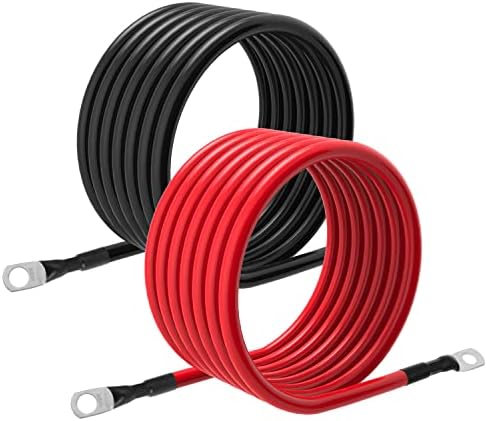
Correctly sized battery cable with proper lugs, plus an inline fuse or breaker mounted close to the positive terminal. The fuse is not optional: it protects the cable, not the inverter, and it is the single most skipped part of a driveway install. Our guide on how to wire an RV inverter covers gauge and placement.
Installing It Without Creating a Problem
Three rules cover most of the risk. Mount the inverter as close to the battery bank as you can, because the DC side carries enormous current and every extra foot of cable costs you voltage and adds heat. Fuse the positive cable within about a foot and a half of the battery terminal, sized to the cable rather than to the inverter. And give the unit airflow, since inverters shed real heat under load and a sealed compartment turns into a shutdown.
On the AC side, keep the standard 12V precautions when you work: disconnect the negative cable first, pull the main fuse, and take off rings and watches. Torque the terminal hardware firmly, since a loose lug under a few hundred amps is a fire risk rather than an inconvenience.
Where the line is
Tying an inverter into the RV’s 120V distribution panel is not a DIY job. Subpanels, transfer switches, neutral to ground bonding, and any work inside the breaker panel belong to a certified RV technician or a licensed electrician. Powering appliances by plugging them into the inverter’s own outlets is owner territory; rewiring the coach’s AC circuits is not. If an installed inverter is already misbehaving, start with RV inverter problems and what can actually be repaired before assuming it needs replacing.
Common Mistakes to Avoid
- Buying wattage without buying battery. A 3000 watt inverter on one lead acid battery will trip on low voltage before it finishes heating a cup of coffee.
- Using undersized cable. The gauge is dictated by amps and distance, not by what fits the terminal. Undersized cable gets hot before anything else fails.
- Skipping the fuse. An unfused battery cable is the most dangerous shortcut in the entire install.
- Leaving it switched on permanently. Standby draw is small per hour and substantial per week. Use the remote switch.
- Assuming it will run the air conditioner. Rooftop air conditioning on battery power is a whole system question, not an inverter question.
- Choosing modified sine to save a little. The savings evaporate the first time a compressor or a charger objects.
Where to Go From Here
If you have settled on the middle of the range, the class specific comparison in our 2000 watt inverter guide narrows it further, including the battery bank each option really wants. If the install is the part you are unsure about, read how to wire an RV inverter before you order cable.
And if the underlying goal is more time off grid rather than more outlets, the inverter is only one piece. Size the charging side too, using how much solar an RV actually needs, or bridge the gap with a generator; our roundup of RV inverter generators covers the quiet ones.
Frequently Asked Questions
What size inverter do most RVs need? A 2000 watt pure sine unit suits the majority of trailers and motorhomes, since it covers a microwave or a coffee maker with surge headroom while keeping cable size and battery draw manageable.
Can an inverter run my rooftop air conditioner? Only with a large lithium bank, heavy cabling, and usually a soft start device. The inverter is rarely the limiting factor; the battery capacity is.
Do I need a pure sine wave inverter? For anything with a motor, a compressor, or a circuit board, yes. Modified sine is only sensible for simple resistive loads on a small dedicated inverter.
Will an inverter charge my batteries? A plain inverter only discharges them. An inverter charger does both, and it switches to shore power automatically when you plug in. That distinction is explained fully in our inverter vs converter guide.
How long can I run a microwave on battery power? Minutes, not hours, and that is normal. Short high draw appliances are what inverters are for. Sustained loads are what shore power and generators are for.
Should the inverter be hardwired or plug in? Small units feeding their own outlets can be owner installed. Anything tied into the coach’s 120V distribution panel should be wired by a certified RV technician or licensed electrician.
The Bottom Line
Buy pure sine wave, size for your largest single load rather than everything at once, and make sure the battery bank can actually deliver what the inverter can convert. Two thousand watts is the practical middle for most rigs, a compact unit is smarter for a van, and an inverter charger is worth it once you live off grid often enough to be tired of switching things by hand.