Last updated: August 14, 2026
A Suburban RV water heater anode rod threads into the low port on the side of a porcelain lined steel tank, and on these units it doubles as the drain plug. The thread is commonly 3/4 inch NPT, the head commonly takes a 1 and 1/16 inch socket, and the length varies with tank capacity. That last one is where most wrong orders happen, because the thread fits perfectly on a rod that is far too long or too short for your tank.
The other half of the fitment question is whether you should be buying a rod at all. Atwood water heaters, now sold under the Dometic name, use an aluminum tank and are built without an anode rod. They take a plastic drain plug instead, and fitting a rod into one is not an upgrade. This guide covers how to tell the two apart, how to match thread and length, and what to do when the compartment gives you no room to pull a full length rod out.
This article contains affiliate links. If you buy through them, we may earn a commission at no extra cost to you. Learn more.
Quick Answer
What size anode rod fits a Suburban RV water heater?
- The thread is commonly 3/4 inch NPT, and the rod head commonly takes a 1 and 1/16 inch socket.
- Length follows tank capacity. Suburban tanks are usually 6, 10, or 12 gallons, and the surest method is to measure the rod you pull out.
- Where the compartment is tight, flexible or segmented rods let you install a full length rod through a short opening.
- Atwood and Dometic aluminum tanks have no anode rod and take a plastic drain plug. Do not fit a rod to one.
Suburban Anode Rod Fitment at a Glance
Five things decide whether the part in the box goes in. Work down the left column before you order, and confirm each one against your own heater rather than against a forum post about a similar rig.
| What you are matching | Typical on a Suburban | How to confirm it |
|---|---|---|
| Tank material | Porcelain lined steel, anode required | Data label inside the exterior access door, or the model number in your manual |
| Thread size | Commonly 3/4 inch NPT | Compare the old rod against the listing, or check the manual |
| Rod length | Scales with tank capacity, usually 6, 10, or 12 gallons | Measure the old rod from under the head to the tip |
| Head size | Commonly 1 and 1/16 inch across the flats | Put a socket on it before you buy tools you do not need |
| Clearance to pull it out | Often tight, especially in a basement bay | Measure from the port to the nearest obstruction |
| Rod material | Magnesium as standard, aluminum zinc as the alternative | Your choice, not a fitment issue, see the material guide |
Material choice is a separate question from fit, and it is covered in when to replace an RV water heater anode rod, which compares magnesium against aluminum zinc and explains how to read a used rod.
First, Confirm You Actually Have a Suburban
Open the exterior access door and read the label on the appliance. Suburban units carry the Suburban name and a model number, commonly in the SW series with the capacity in the designation, and the tank behind the panel is steel with a porcelain lining. Atwood units, now branded Dometic, carry those names and use an aluminum tank clad in steel.
There is a physical tell as well. Look at what is threaded into the low drain port. A Suburban tank has a hex headed metal rod there, and pulling it out reveals a long bar of white or gray corroded metal. An Atwood tank has a plastic plug that is short, threaded, and clearly not a rod. If the plug is plastic, stop looking for a rod, because there is not one.
Why guessing costs you
Owners occasionally buy a rod for an aluminum tank because the thread appears close enough and the idea of extra protection sounds sensible. It is not. The manufacturer designs the tank to work without one, does not specify one, and the tank is not the metal a sacrificial rod is intended to protect. Confirm the appliance first, then buy.
The Thread Is 3/4 Inch NPT: What That Means When You Buy
Suburban anode rods commonly use a 3/4 inch NPT thread, which is a tapered pipe thread rather than a straight one. Tapered means the rod seals as it tightens, and it also means the seal depends on the thread surfaces themselves plus a wrap of fresh thread seal tape, not on a washer.
Two practical consequences. First, ignore any listing that describes a fitting size without stating the thread standard, because a nominal size on its own tells you nothing about whether it will seat. Second, never use force to persuade a rod that does not start easily by hand. A tapered thread should turn in by hand for the first turn or two, and resistance at that point usually means cross threading or scale in the port, not a size mismatch you can overcome with a longer bar. A damaged rod port on a water heater tank is not a driveway repair.
🔩 The standard Suburban replacement
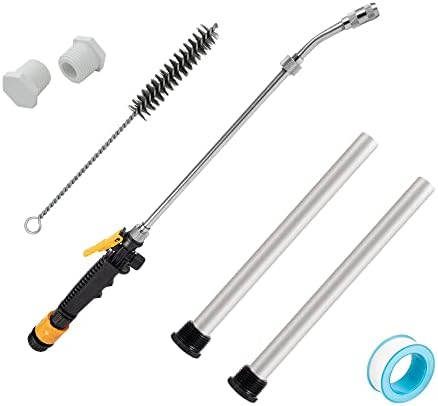
An anode rod with the 3/4 inch NPT thread used on Suburban steel tanks, in the length that matches your tank capacity. Magnesium is the default, and aluminum zinc is the swap for hard water or recurring sulfur odor. Measure your old rod before ordering.
Rod Length by Tank Size, and Why You Measure the Old One
Length is the variable, and it tracks tank capacity. Suburban RV water heaters are commonly sold in 6, 10, and 12 gallon versions, and rods are offered in a full length version measuring roughly nine to ten inches, plus shorter versions for smaller tanks and tight installations. Listings usually state which capacities they suit.
Do not trust that alone. Measure the rod you removed, from directly under the hex head to the tip, and compare it to the stated length in the listing. That single measurement resolves almost every fitment argument, because it accounts for whatever the previous owner installed and for the variations between production years.
What happens if the length is wrong
Too short and the rod still seals and still protects, but it protects less of the tank and it will be consumed faster because there is less metal to give up. Too long and it can contact the far wall or the bottom of the tank, which is worth avoiding, and in the worst case you cannot get it fully seated. Neither situation is dangerous, but both waste a service interval, and you only find out after the tank is drained.
When Clearance Is Tight: Short and Flexible Rods
Plenty of installations put the water heater in a basement bay or hard against a frame member, leaving nowhere near enough room to withdraw a straight nine inch rod. Measure from the face of the rod port to the nearest obstruction before you start, because discovering the problem with the tank already drained is a bad evening.
There are two ways around it. A flexible or segmented rod is built from linked sections so it can bend around a corner during installation and then hang more or less straight inside the tank. Alternatively, a short rod fits the space at the cost of a shorter service life, since there is less sacrificial metal in the tank. Owners in tight bays generally prefer the flexible version because it keeps full protection without a rebuild of the compartment.
🪢 For a water heater you cannot get in front of
A flexible segmented anode rod in 3/4 inch NPT, which bends during installation and gives full length protection where a straight rod will not fit. Measure your available clearance first so you know whether you need one.

Why an Atwood Aluminum Tank Has No Anode Rod
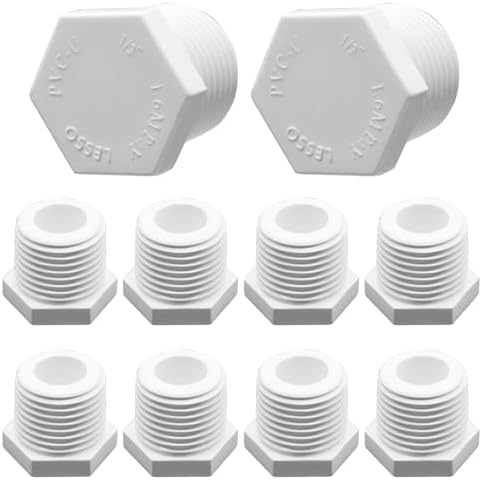
Atwood built its RV water heaters around an aluminum tank clad in steel rather than a porcelain lined steel tank, and the design does not call for a sacrificial anode. Those units drain through a plastic plug in the low port, and that plug is the part you replace when it is worn or when the threads are chewed up.
Since Dometic took the line over, the same tanks continue in service across a very large number of rigs, so this is not an obscure case. If you own one, your maintenance routine is still worth doing: drain and flush the tank on a schedule to keep sediment out, and fit a fresh plug when the old one no longer seals cleanly. What you skip is the rod, and the sulfur odor discussion that goes with it. If your aluminum tank produces smelly hot water, the cause is in the incoming water rather than in a rod that was never there, and the sulfur smell guide covers the sanitizing routine that addresses it.
🔌 If you have the aluminum tank instead
A replacement plastic drain plug for Atwood and Dometic style aluminum tanks, ideally bought as a small multi pack since the threads take a beating over the years. This is the correct part for that tank, not an anode rod.
The Head, the Socket, and Getting a Grip
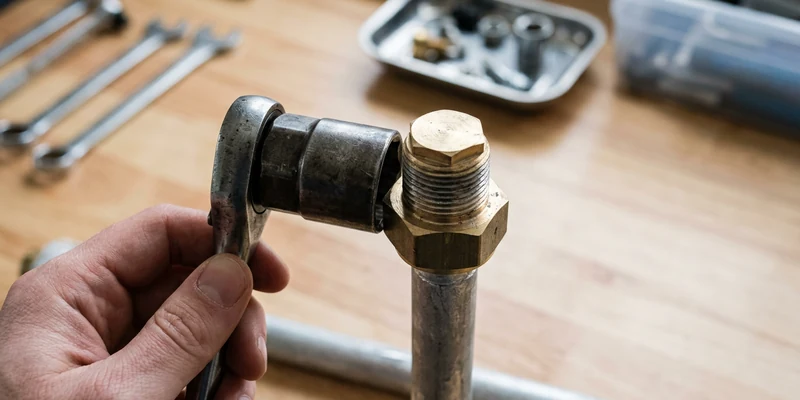
The rod head on a Suburban commonly takes a 1 and 1/16 inch socket, and a six point socket is worth choosing over a twelve point because a rod that has sat for several seasons can be genuinely tight. Check yours with a socket before ordering tools, since heaters do vary and ten seconds of measuring beats a wasted trip.
Access matters as much as size. The compartment usually allows very little swing, so a long ratchet, a breaker bar, or a socket on an extension is often the difference between the rod moving and the head rounding off. Apply steady pressure rather than sharp shocks. The full removal and refit sequence, including safe shutdown and refilling, is in how to replace an RV water heater anode rod.
Common Fitment Mistakes
- Buying by rig model instead of by appliance. Manufacturers change water heater suppliers between production years. The label on the appliance is the only authority.
- Assuming the thread from a photo. Listings that do not state 3/4 inch NPT are not telling you what you need to know.
- Ordering the length from a forum post. Measure your own rod. It is the one number that settles it.
- Ignoring clearance until the tank is empty. Measure from the port to the nearest obstruction before you commit to a straight rod.
- Fitting a rod to an aluminum tank. Atwood and Dometic aluminum tanks are designed without one and take a plastic plug.
- Forcing a rod that will not start by hand. That is cross threading or scale, and forcing it damages the port.
Where This Stops Being a DIY Job
Choosing, fitting, and inspecting a rod is owner work. These things are not, and knowing where the line sits is what keeps a parts question from becoming a repair bill.
- Never open the heater while it is hot or under pressure. Switch it off on gas and electric, let it cool for several hours, shut the water off, open a hot faucet inside, and lift the pressure relief valve lever before anything is unscrewed.
- The propane side is off limits here. We do not publish instructions for gas lines, regulators, gas valves, burner tubes, orifices, or burner adjustment. Those parts fail in ways that produce fire and carbon monoxide, and correct setup needs certification and test equipment. Report the symptom to a certified RV technician.
- The 120 volt side. Elements, thermostats, high limit switches, and any breaker work belong to a certified technician in most rigs.
- A damaged rod port. If the threads in the tank port no longer hold, that is a pressure fitting on a pressure vessel and it needs a professional assessment.
- A tank that seeps from the body. The tank has failed, and RV water heater tanks are replaced rather than repaired.
Shut everything down and get outside if you smell gas, if a carbon monoxide alarm sounds, or if you see soot, scorch marks, or a yellow or lifting flame at the burner. Close the valve at the propane cylinder, ventilate, and have a certified RV technician inspect the appliance. Carry a working carbon monoxide alarm and check the expiration date printed on the back of it at the start of every season.
Where to Go From Here
Once you have the right part, the replacement procedure walks through the shutdown, the drain, the flush, and the refill. To decide between magnesium and aluminum zinc, and to work out whether your old rod was normal or unusually worn, read the anode rod guide.
If you are reaching the point where annual rod service feels like more than the appliance is worth, our comparison of tankless and tank water heaters covers what you trade instead, since tankless units have no rod but do need descaling. And while the tank is drained, it is the right moment for winterizing the water pump.
Frequently Asked Questions
What thread does a Suburban anode rod use? Commonly 3/4 inch NPT, a tapered pipe thread that seals with fresh thread seal tape rather than a washer. Confirm against your manual or the old rod before ordering.
What length anode rod do I need? It depends on tank capacity, usually 6, 10, or 12 gallons on Suburban units. Full length rods commonly run around nine to ten inches, with shorter versions available. Measure your old rod from under the head to the tip and match that.
Does an Atwood or Dometic water heater have an anode rod? No. Those tanks are aluminum and are designed without one. They use a plastic drain plug, and a rod should not be fitted.
How do I tell a Suburban tank from an Atwood tank? Read the label inside the exterior access door, and look at the low drain port. A metal hex headed rod means Suburban style steel. A plastic plug means an aluminum Atwood or Dometic tank.
What if there is no room to pull the rod out? Use a flexible segmented rod, which bends during installation and still gives full length protection, or accept a shorter rod and a shorter service interval. Measure your clearance before the tank is drained.
Can I use a residential water heater anode rod in an RV? Match the thread, the length, and the head size to your appliance rather than to a category. An RV specific rod sized for your Suburban tank avoids the guesswork, and length is the dimension most likely to be wrong.
The Bottom Line
Confirm the appliance first, because only steel Suburban style tanks have a rod at all. Match a 3/4 inch NPT thread, then match length to your tank capacity by measuring the rod you pulled out rather than trusting a forum figure. Check clearance before the tank is drained and use a flexible segmented rod if a straight one will not come out. Aluminum Atwood and Dometic tanks take a plastic drain plug and no rod. Never open the heater hot or pressurized, and leave the propane and 120 volt sides to a certified RV technician.